


Understanding Vehicle Weight, GVW and Payload
November 26, 2026
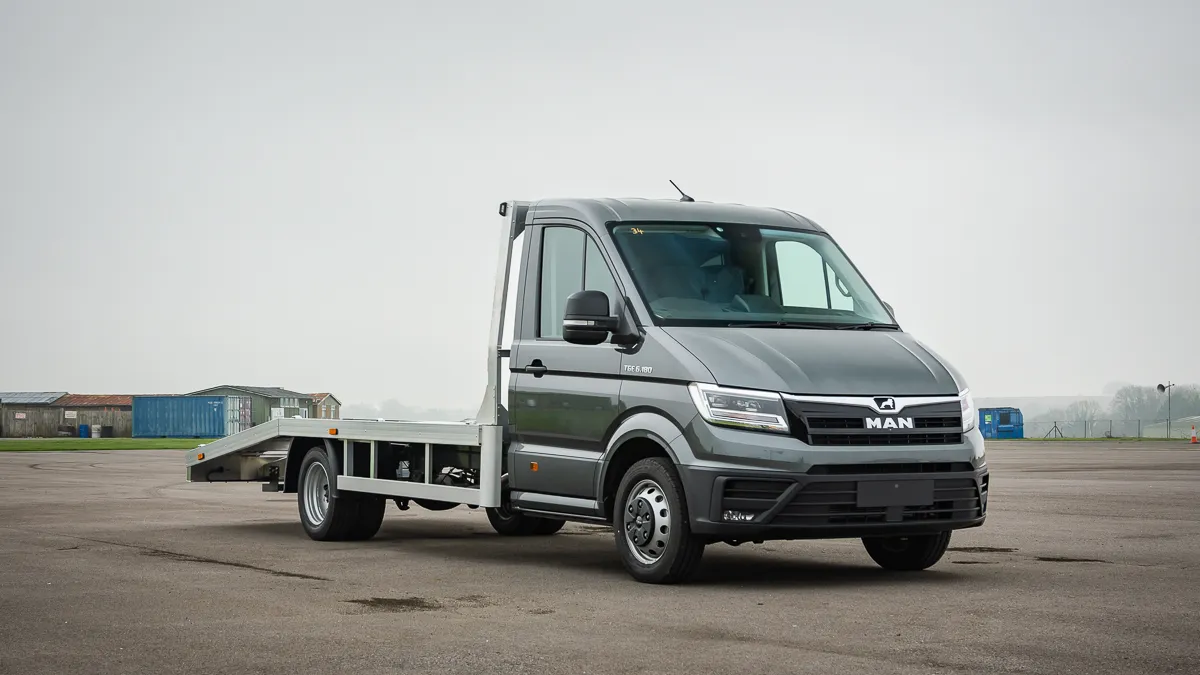
Managing a commercial fleet involves constant pressure to balance efficiency, safety, and cost. Every decision, from vehicle selection through to day-to-day operation, directly impacts how effectively your business performs.
Amongst the most important, yet often misunderstood, factors are vehicle weight and payload. Terms such as Gross Vehicle Weight (GVW), also known as Maximum Authorised Mass (MAM), and payload are not just technical definitions; they are fundamental to ensuring your vehicles operate safely, legally, and profitably.
This guide breaks down the essentials, helping you make more informed decisions when specifying and managing your fleet.
What is GVW (MAM) and Why Does it Matter?
Gross Vehicle Weight (GVW), also referred to as Maximum Authorised Mass (MAM), is the maximum total weight a vehicle is legally permitted to carry when fully loaded. This includes the vehicle itself, fuel, tools, equipment, cargo, the driver, and any passengers.
Operating a vehicle above this limit is a serious matter. It can result in fixed penalties, prohibition notices, or prosecution, whilst also increasing wear and tear and posing risks to both the driver and other road users.
For fleet operators, GVW should never be treated as a theoretical number. It is a practical constraint that directly determines how effectively a vehicle can perform its role. Vehicles consistently operating close to their maximum weight may experience increased maintenance requirements, reduced efficiency, and greater downtime. In contrast, vehicles specified correctly from the outset deliver more consistent performance and long-term reliability.
Understanding Payload in Real Terms
Payload is the difference between a vehicle’s kerb weight (its weight when empty) and its GVW (MAM). In simple terms, it represents how much weight a vehicle can safely carry.
For example, a 3,500kg GVW vehicle with an unladen weight of 2,200kg offers a usable payload of 1,300kg.
Whilst this calculation appears straightforward, real-world applications are often more complex. Optional extras such as tool storage, lighting, access equipment, or specialist conversions all contribute to the overall vehicle weight, reducing the available payload.
This is where many fleets encounter issues. Vehicles that appear suitable on paper can quickly become limited in practice once they are fully equipped for operational use.
The Operational Impact of Poor Weight Management
Failing to properly account for vehicle weight and payload capacity can lead to a range of operational challenges.
Vehicles operating close to their maximum permitted weight may require more frequent trips to complete the same workload, increasing fuel consumption, labour time, and overall operating costs. Over time, this can also contribute to additional wear on key components such as braking systems and suspension.
More importantly, overloading a vehicle introduces significant safety risks. Excess weight can affect braking performance, handling, and stability, particularly when travelling over uneven terrain or during emergency manoeuvres.
Effective weight management is therefore not simply an administrative exercise; it is a core part of safe and efficient fleet operation.
Why Standard Vehicles Often Fall Short
Off-the-shelf vehicles are designed to meet a wide range of applications. Whilst this makes them accessible, it also means they are rarely optimised for specific operational requirements.
When these vehicles are adapted for specialist roles, whether in plant transport, utilities, or grounds maintenance, additional equipment and generic conversions can add unnecessary weight. This reduces available payload and limits operational efficiency.
In practice, this often results in vehicles that appear capable but struggle to deliver the expected performance once deployed.
Engineering Vehicles Around Payload
A more effective approach is to treat payload as a core design consideration from the outset.
At AKFS, vehicle design begins with a clear understanding of how the vehicle will be used. By utilising lightweight, high-strength materials such as aluminium, alongside carefully engineered subframes and body structures, we maximise usable payload without compromising durability or safety.
This allows operators to carry more within the same legal weight limits, improving efficiency whilst maintaining compliance.
The Importance of Weight Distribution
Payload is not only about how much weight a vehicle can carry, but also how that weight is distributed. Uneven weight distribution can negatively affect vehicle handling, braking performance, and overall stability. This is particularly important for vehicles carrying plant equipment or irregular loads.
A well-engineered vehicle accounts for this during the design stage. Storage systems, load areas, and equipment mounting points are positioned to ensure balanced weight distribution across the vehicle, supporting safer and more predictable operation.
Supporting Compliance and Operational Confidence
Operating within legal weight limits is essential for maintaining both compliance and operational reliability.
When vehicles are correctly specified, drivers can operate with confidence, knowing they are working within safe parameters. This supports better planning, reduces the likelihood of operational issues, and contributes to a more professional working environment.
For fleet managers, a clear understanding of vehicle weight and payload also simplifies scheduling and load planning, reducing the risk of inefficiencies or non-compliance.
Electric Vehicles and the Future of Fleet Operations
As the industry continues to evolve, weight considerations are becoming even more important. The transition to electric vehicles introduces additional challenges, particularly around battery weight and overall vehicle mass.
Operators must balance the benefits of zero-emission transport with the practical requirement to maintain sufficient payload capacity for their operations. By designing vehicles with these factors in mind from the outset, it is possible to integrate new technologies without compromising usability or performance.
A Strategic Approach to Fleet Design
Understanding GVW (MAM) and payload is not just about meeting legal requirements; it is about making informed decisions that improve how your fleet performs.
Every vehicle should be viewed as a working asset, specified to meet the exact demands of its role. This ensures maximum efficiency, reduces unnecessary cost, and supports long-term reliability. At AKFS, we work closely with customers to deliver vehicles that are tailored, compliant, and engineered for real-world applications.
Your Fleet, Our Expertise
Vehicle weight and payload are fundamental to the success of any commercial fleet. When properly understood and managed, they support safer operation, improved efficiency, and stronger long-term performance.
If you are reviewing your fleet or considering how vehicle specifications impact your operations, contact us, and our team can help you define the right solution for your requirements.
You Might Also Be Interested In


Get In Touch With A Product Specialist Today
Here at AKFS our team of professionals are ready to answer any queries you may have. Get in touch or download a brochure to find out more today.
