


Why Payload Planning Should Start Before Your Vehicle Is Built
November 5, 2026
When you’re specifying a specialist commercial vehicle, it can be easy to place the biggest focus on what you want the finished vehicle to include.
Storage lockers, ramps, lighting, tail lifts and other equipment can all play a key role in creating a vehicle that works effectively for your business. But elements like these need to be considered alongside one of the most important factors of all: payload.
Payload should never be something that’s calculated once a vehicle has already been built. It needs to be considered from the very beginning, along with how the vehicle will be used, what it needs to carry and which features are genuinely required.
At AKFS Special Vehicles, we have over 30 years of experience designing and manufacturing specialist vehicles for a wide range of industries. By putting real operational requirements at the centre of the specification process, we can create vehicles that balance strength, functionality and available payload.
It’s another important part of our Built Without Compromise ethos and ensures that the finished vehicle has been designed around the job it actually needs to do.
Understanding What Payload Really Means
Payload is the amount of weight a vehicle can carry once its own weight has been taken into account. This needs to cover everything being added to or carried by the vehicle, making it an essential consideration when deciding how a specialist vehicle should be configured.
The required payload can differ significantly between businesses. So, a plant hire company may need to transport heavy machinery, while a traffic management team needs capacity for the equipment required to complete its work. Elsewhere, a vehicle logistics business might need to consider the weight of the cars it expects to transport, whereas utilities teams may need to accommodate tools and equipment alongside specialist storage.
Understanding those requirements before the build begins allows payload to influence the specification rather than trying to make the completed vehicle fit the job afterwards.
Start With What Your Vehicle Needs to Carry
Before deciding which features a specialist vehicle should have, it is important to work out what it will regularly be expected to transport.
This is where looking beyond the basic purpose of the vehicle becomes valuable. Rather than simply specifying a vehicle for plant hire, for example, consider the type and weight of machinery that will usually be carried and what additional tools or equipment need to travel alongside it.
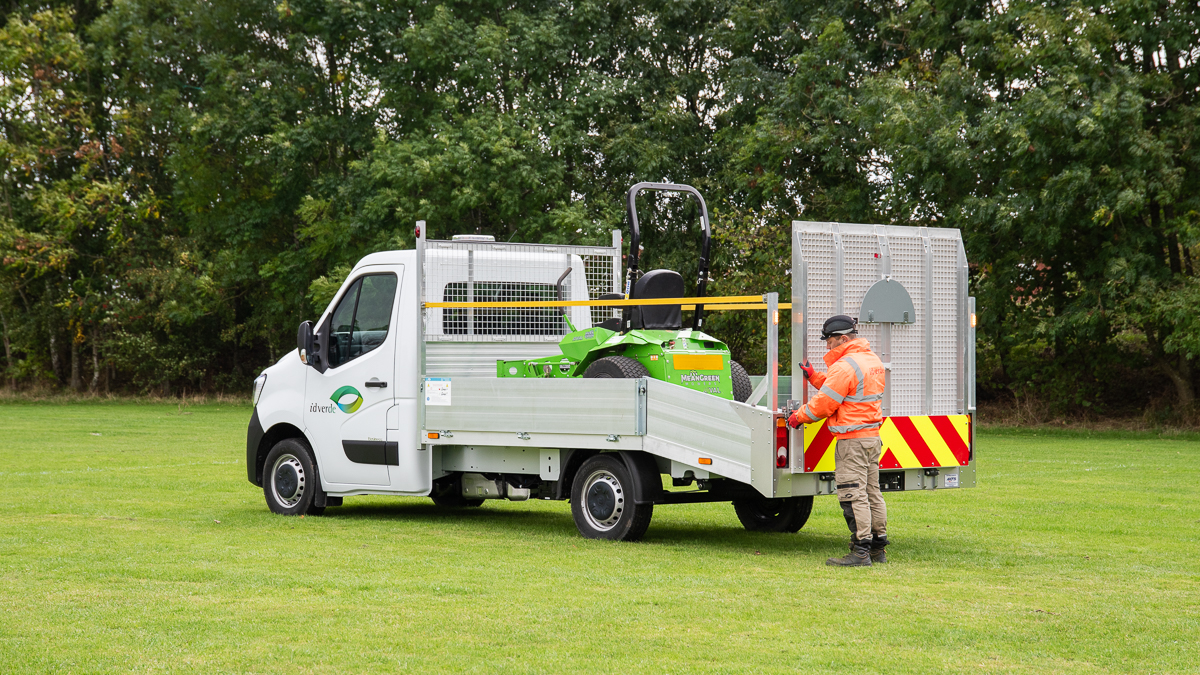
The Plant & Go® Vehicle demonstrates how payload and practical use can work together. It has a 3,500kg GVW, with a 4,500kg option, and provides up to 1,500kg of payload. Its design incorporates a type-approved galvanised ladder-frame chassis, lightweight removable side ramps and an extruded aluminium non-slip floor.
For heavier loads, the Iveco Daily Heavy Plant Carrier is based on an Iveco Daily 7,200kg GVW chassis and has a usable payload of 4,000kg. With a bed length of up to 6,100mm, it’s designed for machinery weighing up to 4,000kg.
These are very different specifications because they’re designed around different operational demands. Establishing those demands first is essential to choosing the appropriate solution.
The Conversion Itself Matters
Payload planning isn’t just about the cargo that will eventually be loaded onto a vehicle. The specification of the conversion itself is also important.
Specialist equipment and optional features can form part of the overall vehicle specification, which is why decisions about what to include should be made with the complete vehicle in mind.
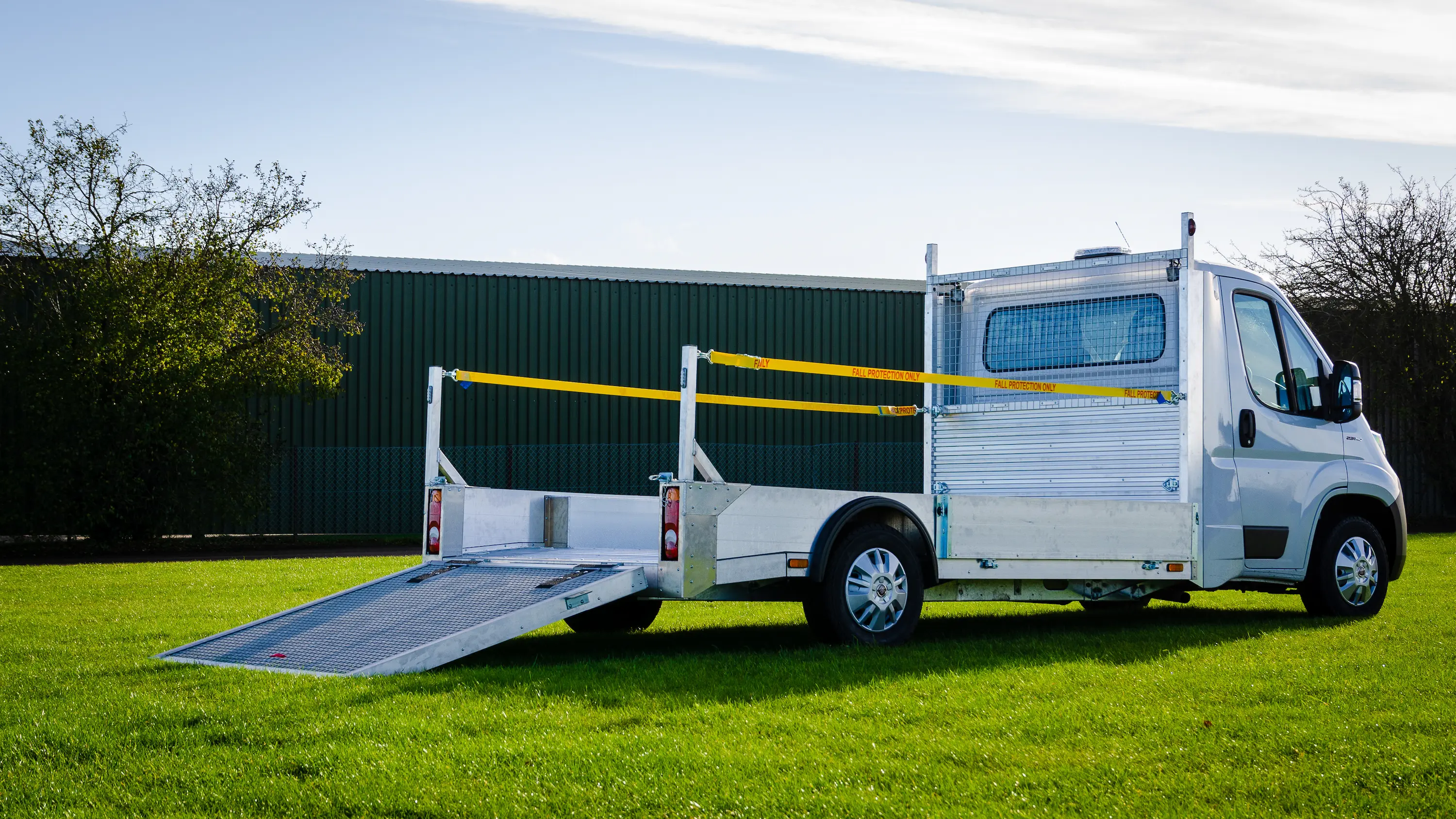
A Dropside Vehicle, for example, can be specified with a 500kg aluminium tail lift, removable working-at-height barriers, roof-mounted lights and a towbar. These options can provide important functionality for a particular customer, but the complete specification needs to reflect what that vehicle is expected to do.
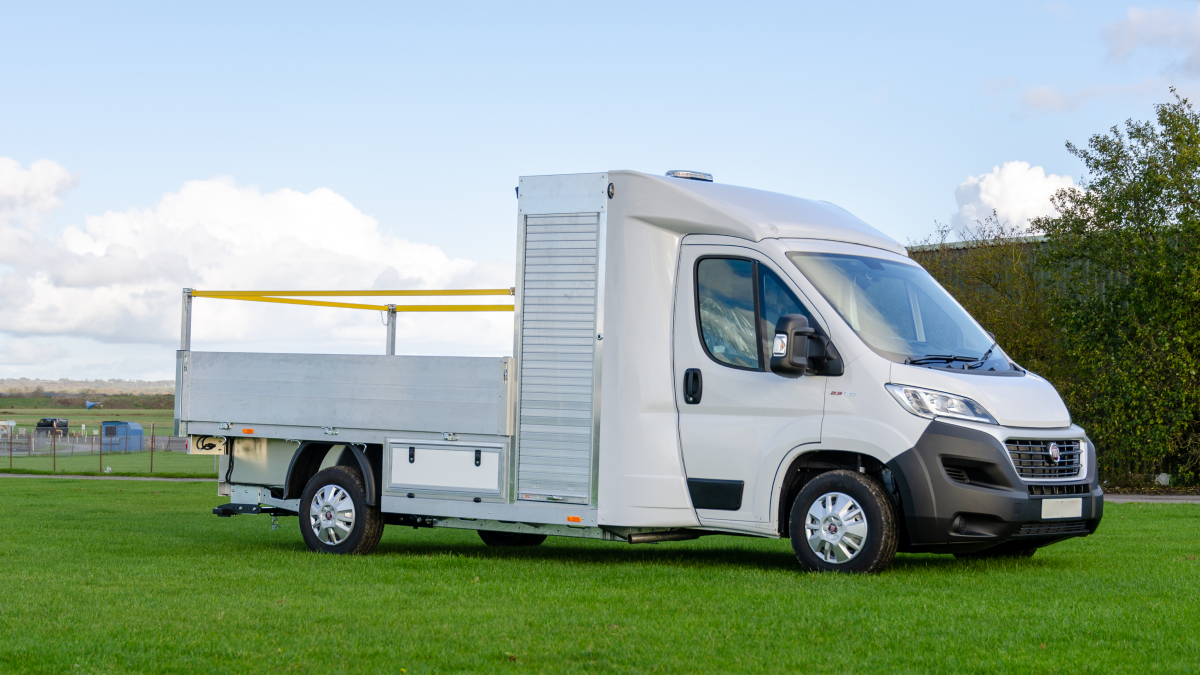
The same principle applies to storage. Our Store & Go® has an aluminium full-height storage locker and three additional storage spaces beneath the bed, while offering up to 1,100kg of usable payload. And optional features include work lights, a hand wash station, a towbar and removable fall arrest bars.
The aim isn’t simply to add as many features as possible. Good vehicle specification is about identifying the features that support the operation and considering them as part of the vehicle from the outset.
Lightweight Design Can Protect Usable Payload
Choosing appropriate materials is another vital part of payload planning.
Strength and durability are still essential for a commercial vehicle, but unnecessary weight can reduce the capacity available for the equipment or cargo a business actually needs to transport. So, thoughtful engineering and material selection are particularly important.
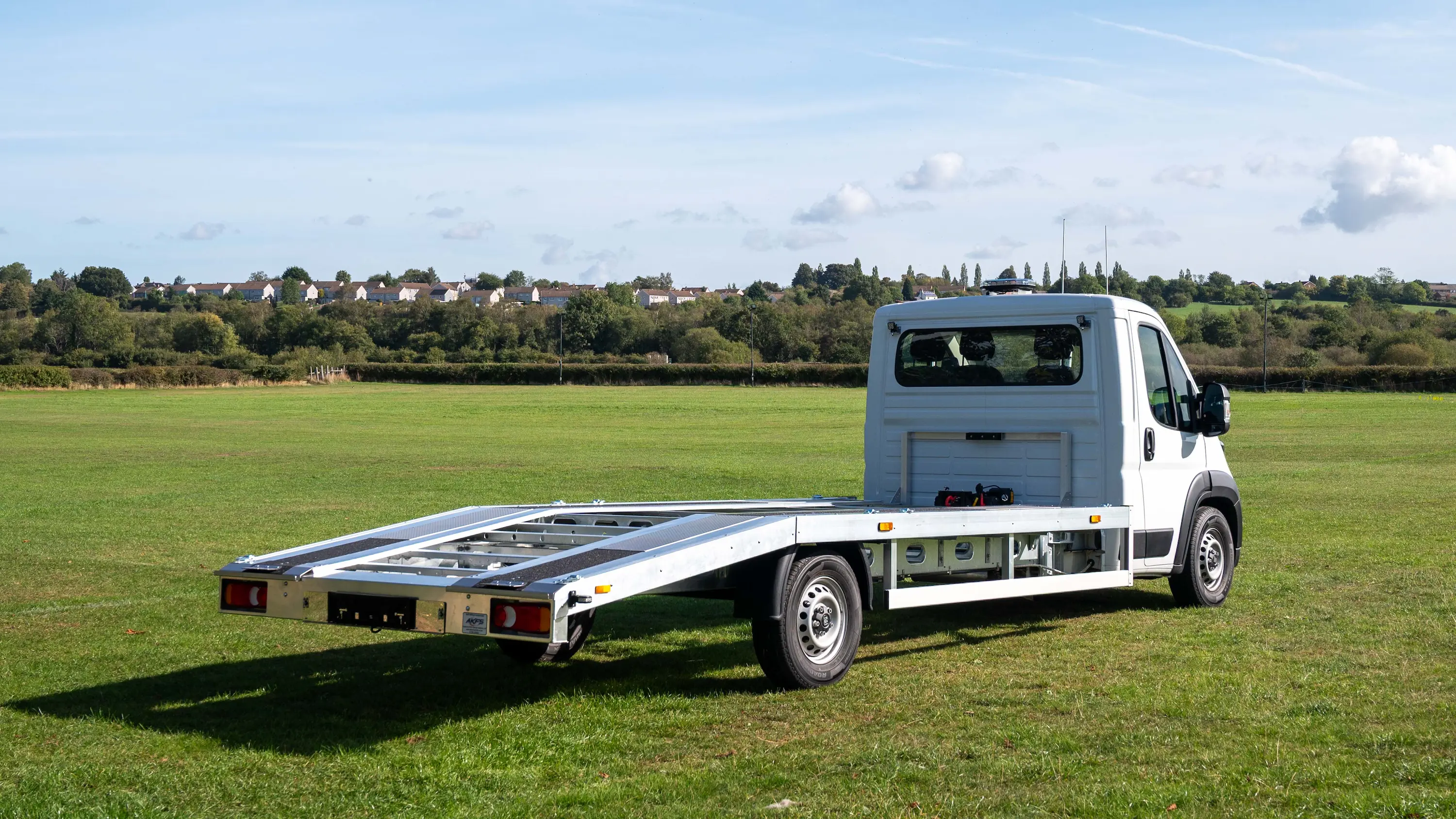
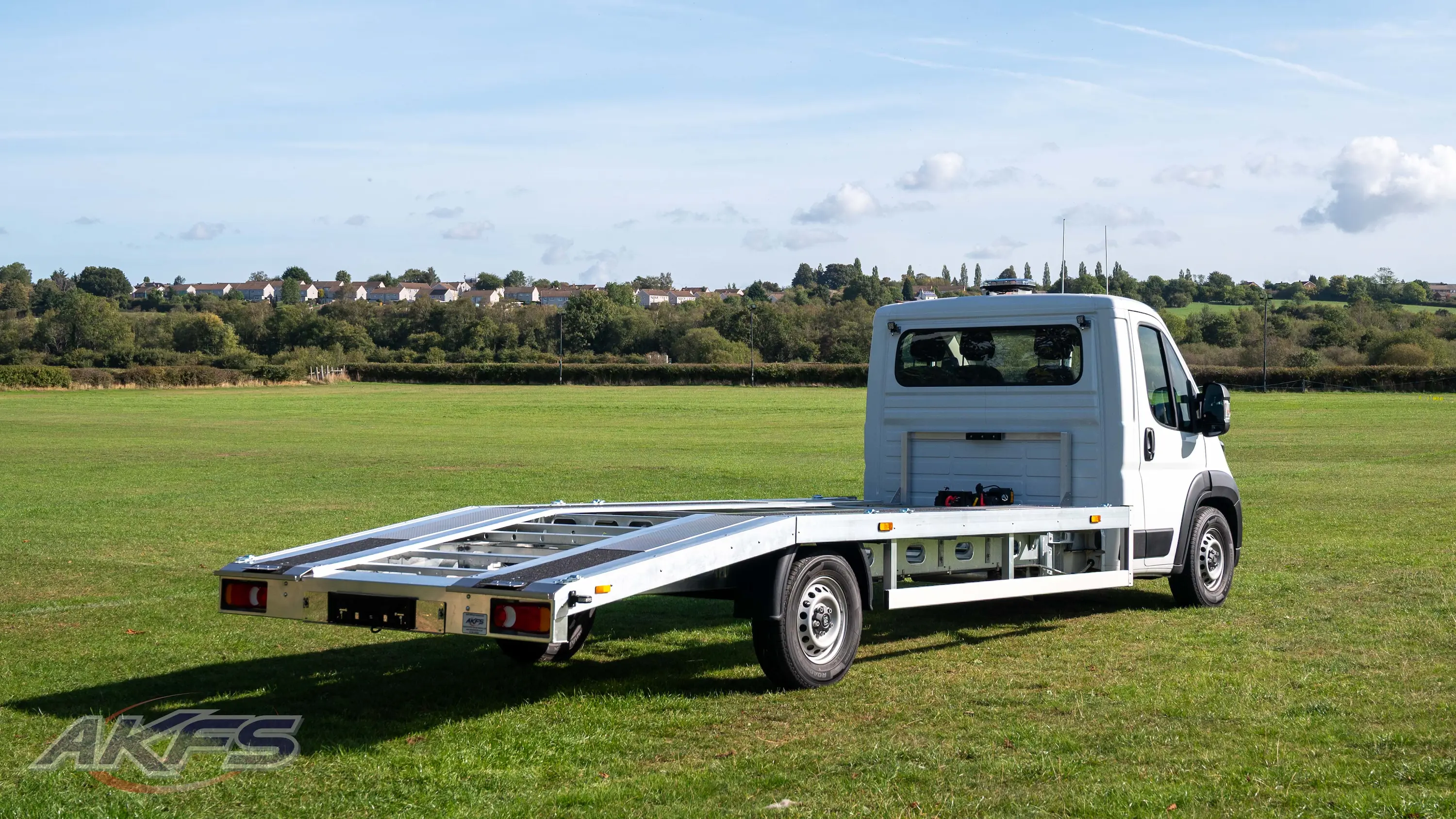
Our Beavertail Car Transporter uses an all-aluminium deck to create a lightweight but robust vehicle. With a kerb weight starting from 2,200kg, it combines its open or closed deck with eight-foot aluminium load-certified ramps and heavy-duty tie-down points.
The Ultra® Single Car Transporter takes another approach, using a lightweight galvanised chassis and extended wheelbase to provide generous payload and improved front and rear axle weight distribution. Its kerb weight starts from 1,900kg.
For operators who need greater carrying capacity, AKFS has also introduced the new 4.5-tonne Ultra Car Transporter.
The higher-GVW vehicle gives customers another option when specifying a transporter around heavier loads and real-world operating requirements, while retaining the focus on thoughtful weight distribution, practical usability and a vehicle specification designed around the job it needs to do.
That is exactly why payload planning matters. Choosing between a 3.5-tonne and 4.5-tonne vehicle should not simply come down to the headline vehicle weight; it should start with what needs to be transported, the equipment required and how the vehicle will be used day to day.
For these vehicles, payload is part of the fundamental design rather than a figure considered once the transporter has already taken shape.
Payload and Storage Need to Work Together
For lots of commercial operations, carrying capacity is about more than having an open load area. Teams also need somewhere safe and practical to store their tools and equipment.
And this means there’s another important thing to consider during the planning stage: how do you provide the storage required without losing sight of payload?
Here, the Transit Utility Vehicle can show how the two requirements can be brought together. It provides up to 1,135kg of usable payload, with that figure including 100% fuel and a 75kg driver. It also incorporates a full-height storage locker with internal partitions and a secure lockable compartment beneath the rear of the vehicle bed. And optional shelving along with lockable sliding storage can further adapt the vehicle around the operator.
Similarly, Store & Go® combines dedicated storage with up to 1,100kg usable payload, with its stated payload including 90% fuel and a 75kg driver.
Clear specifications like these help you to understand what you’re working with and make informed decisions about the vehicle you need.
Think Beyond Total Weight
Payload planning isn’t just about achieving the largest possible number.
How weight is accommodated by the vehicle also matters. This is particularly relevant when carrying cars, machinery and other substantial loads.
The Ultra® Single Car Transporter uses an extended wheelbase to improve front and rear axle weight distribution. Its torsion bar rear suspension is designed to improve driving characteristics whether the vehicle is loaded or unloaded.
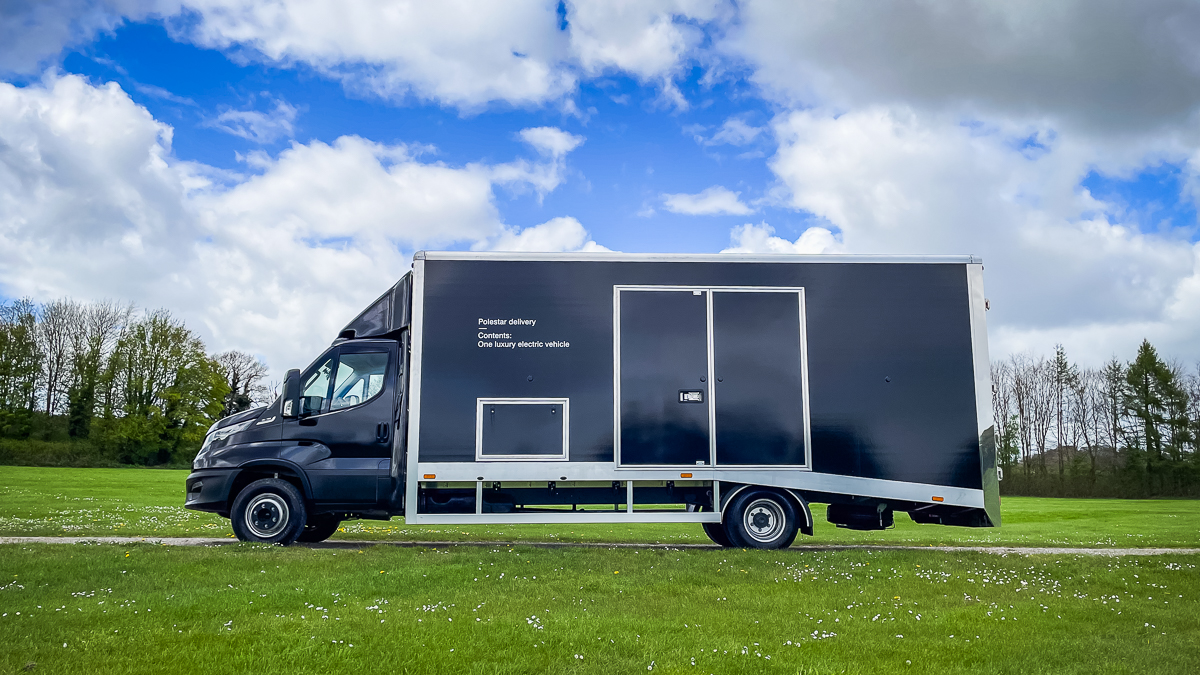
And our Iveco Enclosed Vehicle Transporter is built using the Iveco Daily 5,100mm wheelbase, again providing improved axle weight distribution. This is combined with a design created around the requirements of transporting classic, sports and high-value vehicles.
These examples show why the complete vehicle needs to be considered during the design process. Payload capacity is important, but it sits alongside the chassis, body, equipment and intended load.
Plan for Real-World Operations
A specialist commercial vehicle is ultimately a working asset. So, the specification needs to reflect what happens once it leaves the workshop.
If your business routinely needs to transport particular machinery, tools or vehicles, that should be established during the initial conversations. If secure storage is essential, that should be incorporated into payload planning. And, if optional equipment is needed for your teams to work effectively, it should form part of the specification from the beginning.
This is why collaboration is such an important part of the AKFS approach.
Our customers operate across vehicle logistics, traffic management, plant and tool hire, councils, utilities and other specialist sectors. Their requirements differ, and understanding those differences means we can create vehicles around genuine operational needs.
Built Without Compromise From the Beginning
Payload planning isn’t a final calculation. It’s one of the foundations of a well-specified specialist commercial vehicle.
Considering payload before a vehicle is built means the chassis, body design, materials, storage, optional equipment and intended load can all be looked at together. The result is a vehicle designed around what you actually need to carry and how you need to work.
At AKFS, this approach reflects our Built Without Compromise ethos. We combine more than 30 years of experience with careful design, quality materials and skilled craftsmanship to create vehicles that balance payload with the functionality businesses require every day.
Whether you need to transport cars, plant and machinery, tools or specialist equipment, getting the specification right starts long before the finished vehicle reaches the road.
If you're planning your next specialist commercial vehicle, get in touch with the AKFS team to discuss your payload requirements and create a vehicle specification built around the needs of your business.
You Might Also Be Interested In
Get In Touch With A Product Specialist Today
Here at AKFS our team of professionals are ready to answer any queries you may have. Get in touch or download a brochure to find out more today.
